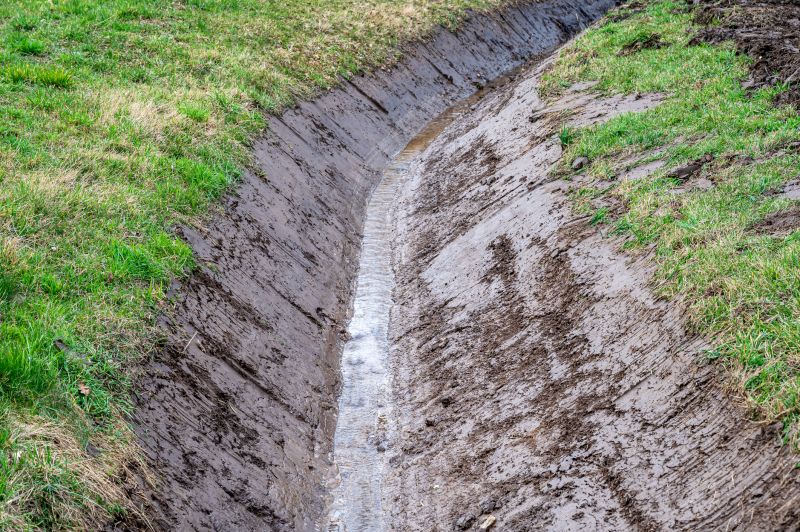
Ditch Digging in Atlanta, GA
Ditch digging services involve the excavation of narrow or deep trenches typically used for installing utilities, drainage systems, irrigation lines, or underground wiring on residential properties. These projects often require precise planning and careful excavation to ensure proper placement and avoid damage to existing structures or underground utilities. Property owners usually want to understand the scope of the work, the types of equipment used, and any potential disruptions to their landscape or daily routines before requesting ditch digging services.
Homeowners considering ditch digging should also inquire about the depth and width of trenches needed for their specific project, as well as any local regulations or permits that may be required. It’s important to clarify the access points and the condition of the terrain to ensure smooth excavation. Proper planning can help prevent unforeseen complications and ensure the project aligns with the property's existing infrastructure and future plans.
Many property owners in Atlanta, GA look into Ditch Digging for repairs, replacements, upgrades, and appearance-related improvements.
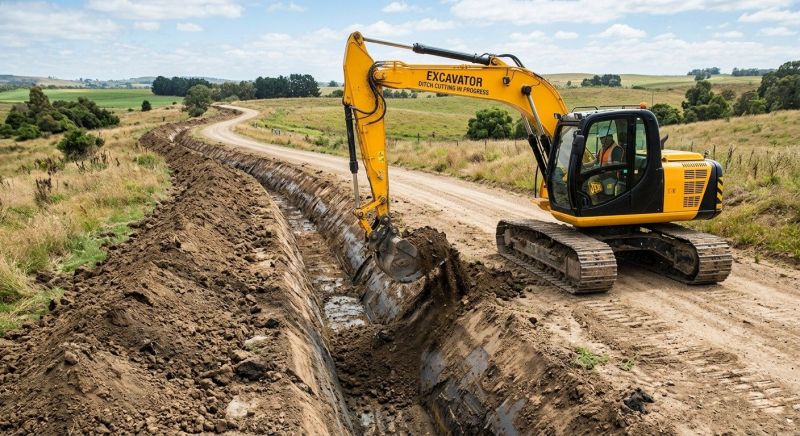
Residential Ditch Digging
Preparing yards for irrigation, drainage, or utility lines around atlanta homes.
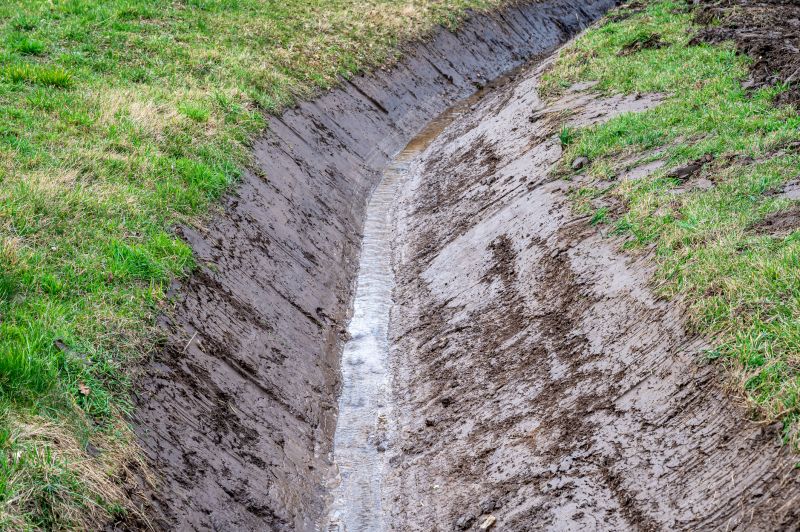
Drainage System Installation
Creating trenches for effective water management to prevent flooding on properties.
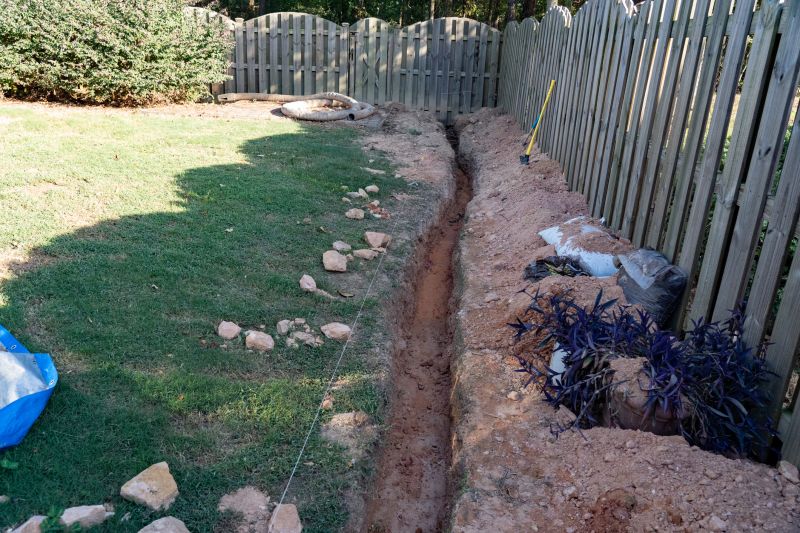
Utility Line Excavation
Safely digging trenches for underground electrical, water, or gas lines in residential areas.
Ditch Digging in Atlanta, GA
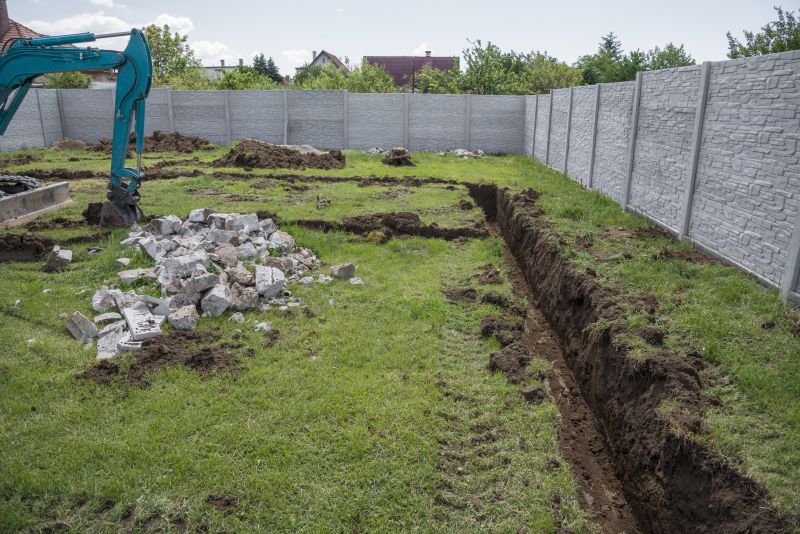
Ditch digging services involve the excavation of narrow or deep trenches typically used for installing utilities, drainage systems, irrigation lines, or underground wiring on residential properties. These projects often require precise planning and careful excavation to ensure proper placement and avoid damage to existing structures or underground utilities. Property owners usually want to understand the scope of the work, the types of equipment used, and any potential disruptions to their landscape or daily routines before requesting ditch digging services.
Homeowners considering ditch digging should also inquire about the depth and width of trenches needed for their specific project, as well as any local regulations or permits that may be required. It’s important to clarify the access points and the condition of the terrain to ensure smooth excavation. Proper planning can help prevent unforeseen complications and ensure the project aligns with the property's existing infrastructure and future plans.
Many property owners in Atlanta, GA look into Ditch Digging for repairs, replacements, upgrades, and appearance-related improvements.
Common Ditch Digging Jobs
Drainage installation - creating proper pathways to direct water away from foundations and landscaping.
Sewer line replacement - replacing damaged or aging sewer pipes to prevent backups and leaks.
Utility trenching - excavating trenches for underground electrical, water, or gas lines.
Foundation drainage - installing or repairing drains to protect basements and crawl spaces.
Landscape drainage solutions - managing surface water to prevent pooling and erosion in yards.
Storm drain installation - setting up systems to efficiently handle heavy rainfall and runoff.
Ditch Digging Questions
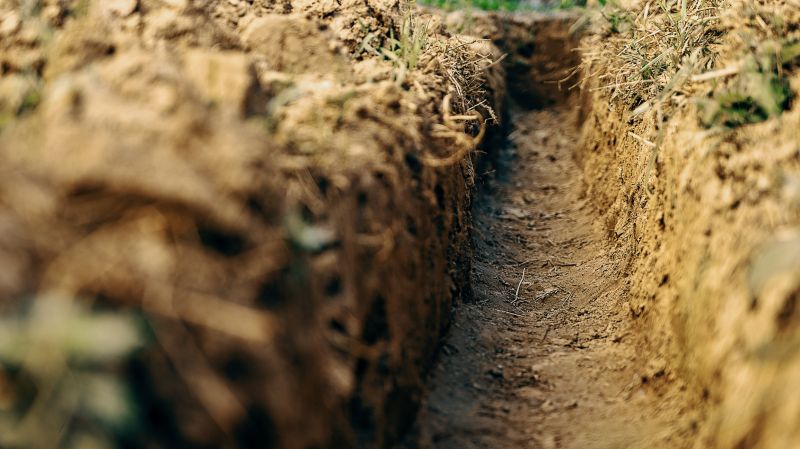
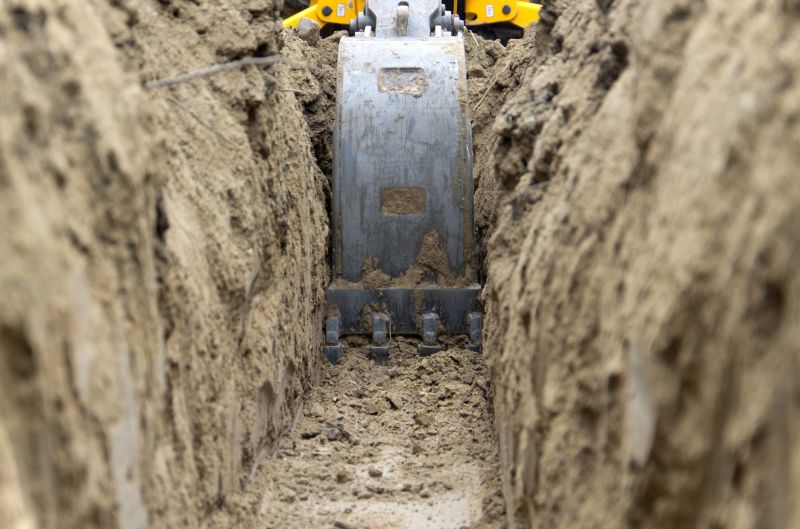
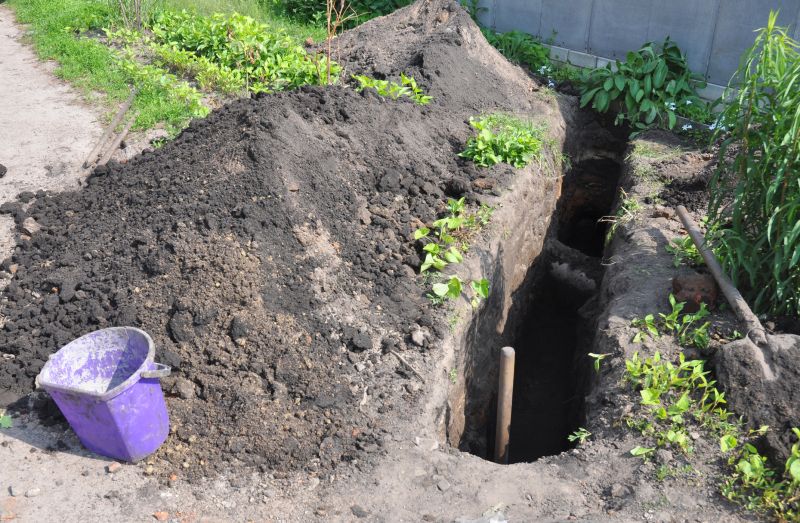
What types of projects require ditch digging services? Ditch digging is often needed for installing drainage systems, utility lines, or irrigation channels on residential or commercial properties.
How deep can a ditch be dug? Ditches can typically be excavated to a depth that suits the specific project requirements, often ranging from a few inches to several feet.
What materials are used for ditch lining? Common lining materials include gravel, soil, or specialized fabric to prevent erosion and support drainage functions.
Is permission needed before digging a ditch? Property owners should verify local regulations and obtain necessary permits before beginning any excavation work.
Request Ditch Digging in Atlanta, GA
Use the quote form on this page to share the basics of your project and request more information for the type of work you need.