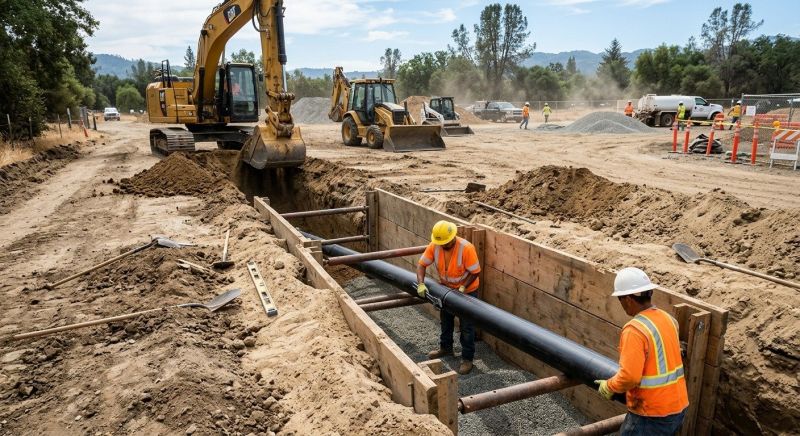
Trench Installation in Atlanta, GA
Trench installation services involve digging narrow, linear excavations into the ground to support various infrastructure projects around a property. These trenches are commonly used for installing or repairing utility lines such as water, gas, electrical cables, and drainage systems. Property owners may request trenching for new construction projects, upgrades to existing utilities, or landscaping efforts that require underground infrastructure. Before requesting trench installation, it’s important for homeowners to understand the scope of the project, including the depth and length of trenches needed, as well as any potential disruptions to landscaping or existing structures.
Understanding the specifics of trench installation can help property owners plan accordingly and ensure the project meets their needs. Factors to consider include the type of soil, proximity to existing underground utilities, and local regulations or permits that might be required. Clarifying these details beforehand can facilitate a smooth process and help determine the best approach for trenching projects, whether for new utility lines, drainage solutions, or foundation work around the property.
Many property owners in Atlanta, GA look into Trench Installation for repairs, replacements, upgrades, and appearance-related improvements.
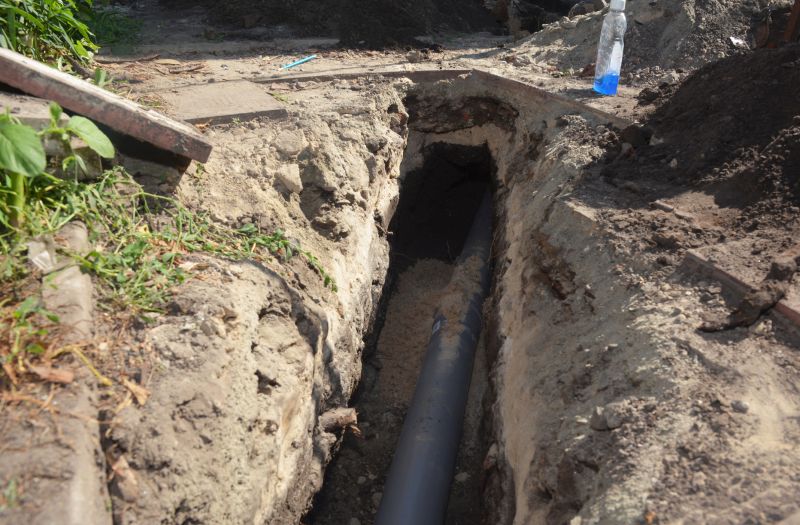
Foundation Support
Trench installation provides essential support for underground utilities and foundation work.
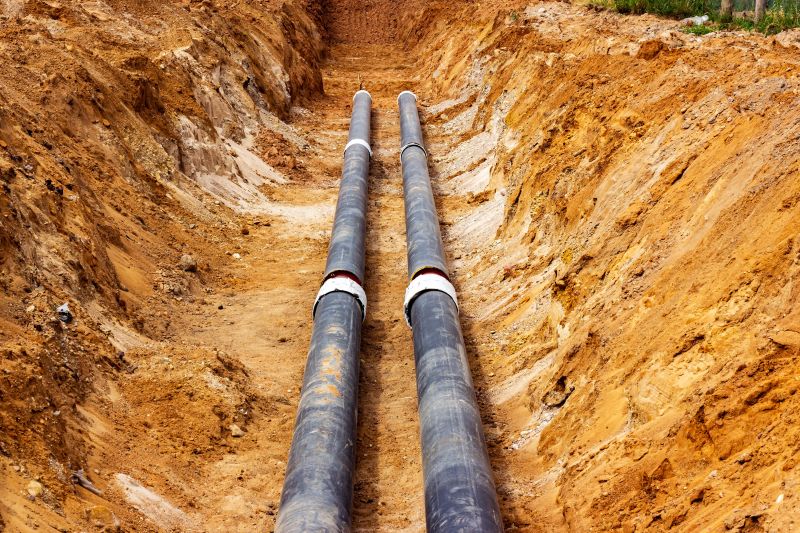
Drainage Solutions
Proper trenches help improve drainage around residential and commercial properties in atlanta, ga.
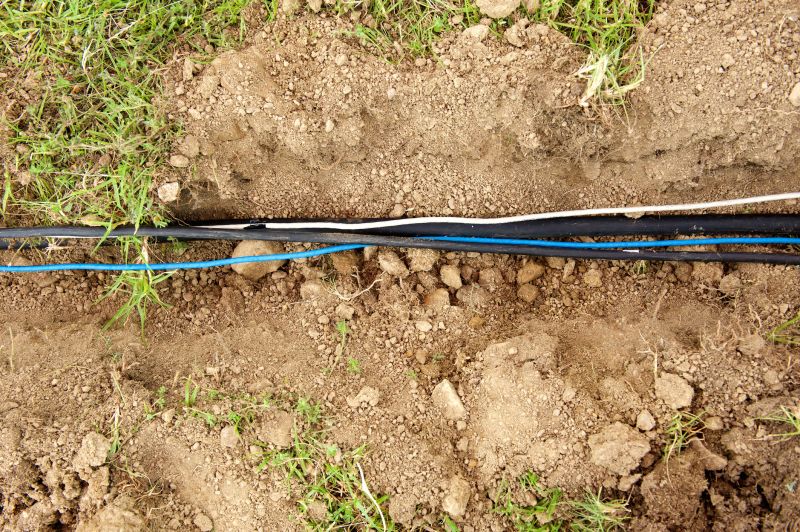
Landscaping Preparation
Creating trenches allows for seamless integration of irrigation systems and landscape features.
Trench Installation in Atlanta, GA
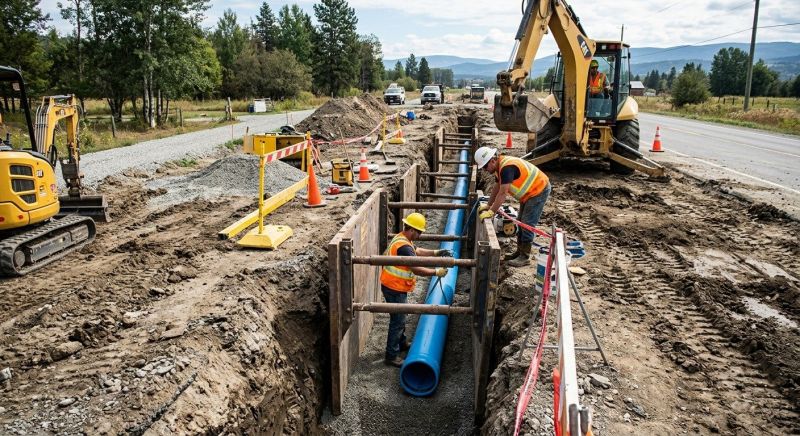
Trench installation services involve digging narrow, linear excavations into the ground to support various infrastructure projects around a property. These trenches are commonly used for installing or repairing utility lines such as water, gas, electrical cables, and drainage systems. Property owners may request trenching for new construction projects, upgrades to existing utilities, or landscaping efforts that require underground infrastructure. Before requesting trench installation, it’s important for homeowners to understand the scope of the project, including the depth and length of trenches needed, as well as any potential disruptions to landscaping or existing structures.
Understanding the specifics of trench installation can help property owners plan accordingly and ensure the project meets their needs. Factors to consider include the type of soil, proximity to existing underground utilities, and local regulations or permits that might be required. Clarifying these details beforehand can facilitate a smooth process and help determine the best approach for trenching projects, whether for new utility lines, drainage solutions, or foundation work around the property.
Many property owners in Atlanta, GA look into Trench Installation for repairs, replacements, upgrades, and appearance-related improvements.
Common Trench Installation Jobs
Drainage projects - trench installation helps improve water flow and prevent flooding around the property.
Utility line installation - trenches provide a safe pathway for underground electrical, gas, or water lines.
Landscape improvements - trenches are used to install irrigation systems and underground wiring.
Foundation drainage - trenching assists in installing drainage systems to protect the foundation.
Fence and boundary marking - trenches can be used to set posts for fences or property boundaries.
Drain tile installation - trenches facilitate the placement of drain tiles to manage excess groundwater.
Trench Installation Questions
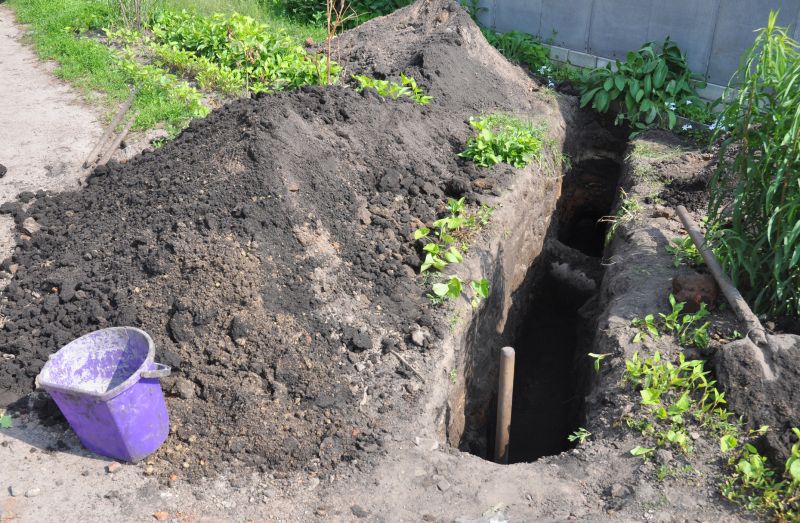
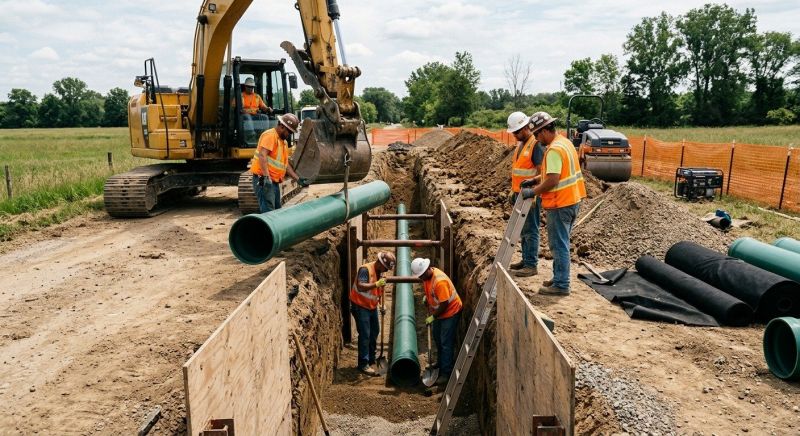
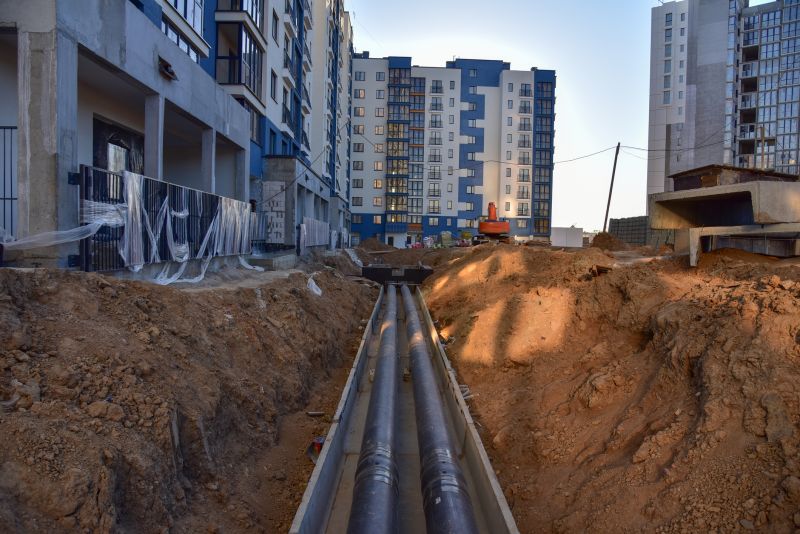
What is trench installation used for? Trench installation is commonly used for laying utility lines, drainage systems, or irrigation pipes across a property.
How deep are typical trenches for utility lines? Trenches are usually dug to a depth that complies with local codes, often between 18 to 36 inches, depending on the purpose.
What materials are used for trench backfilling? Backfill materials typically include soil, gravel, or a combination, to support the installed lines and prevent settling.
Are permits needed for trench installation? Permit requirements vary by location; it’s recommended to check local regulations before starting a trench project.
Request Trench Installation in Atlanta, GA
Use the quote form on this page to share the basics of your project and request more information for the type of work you need.